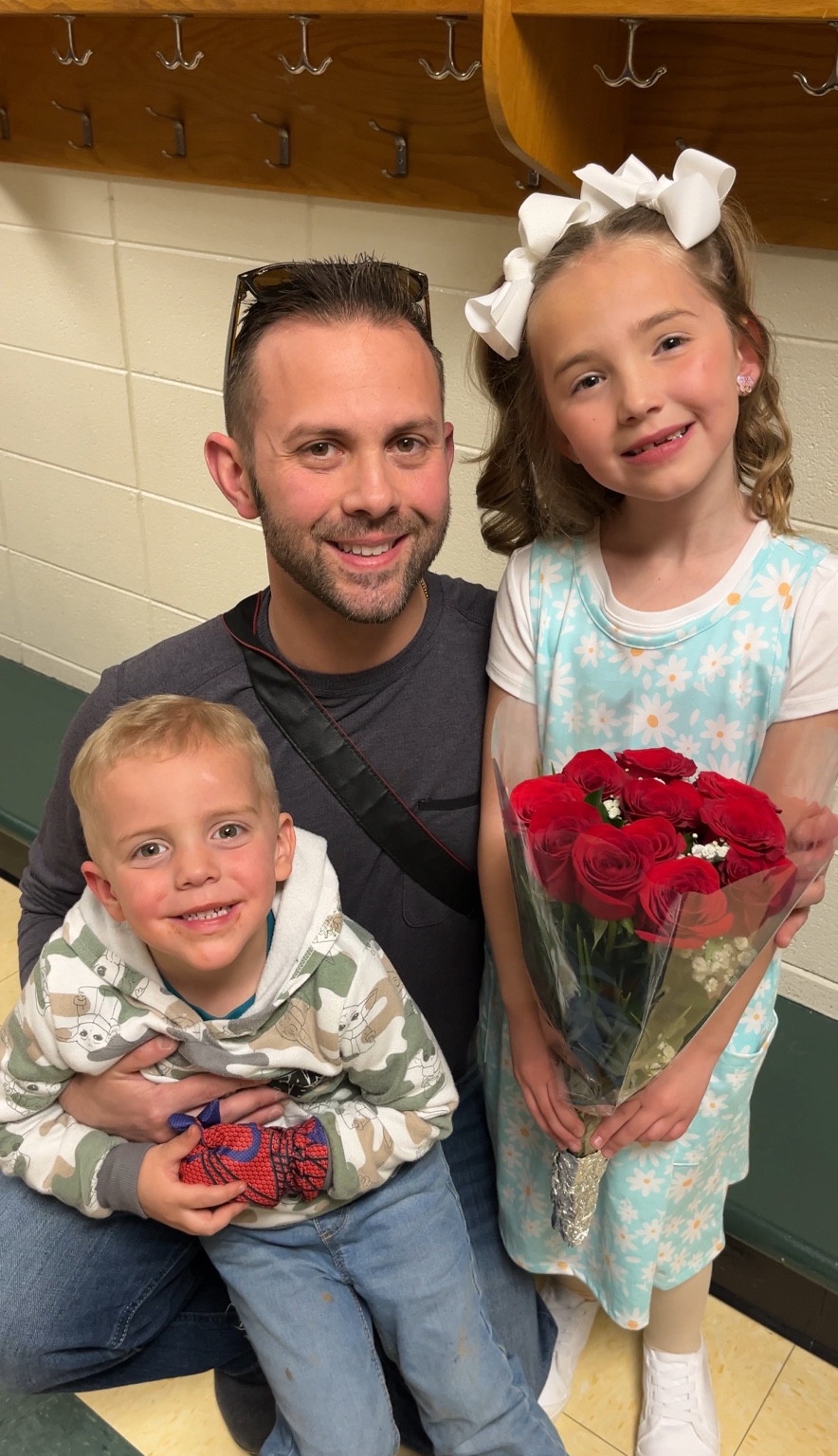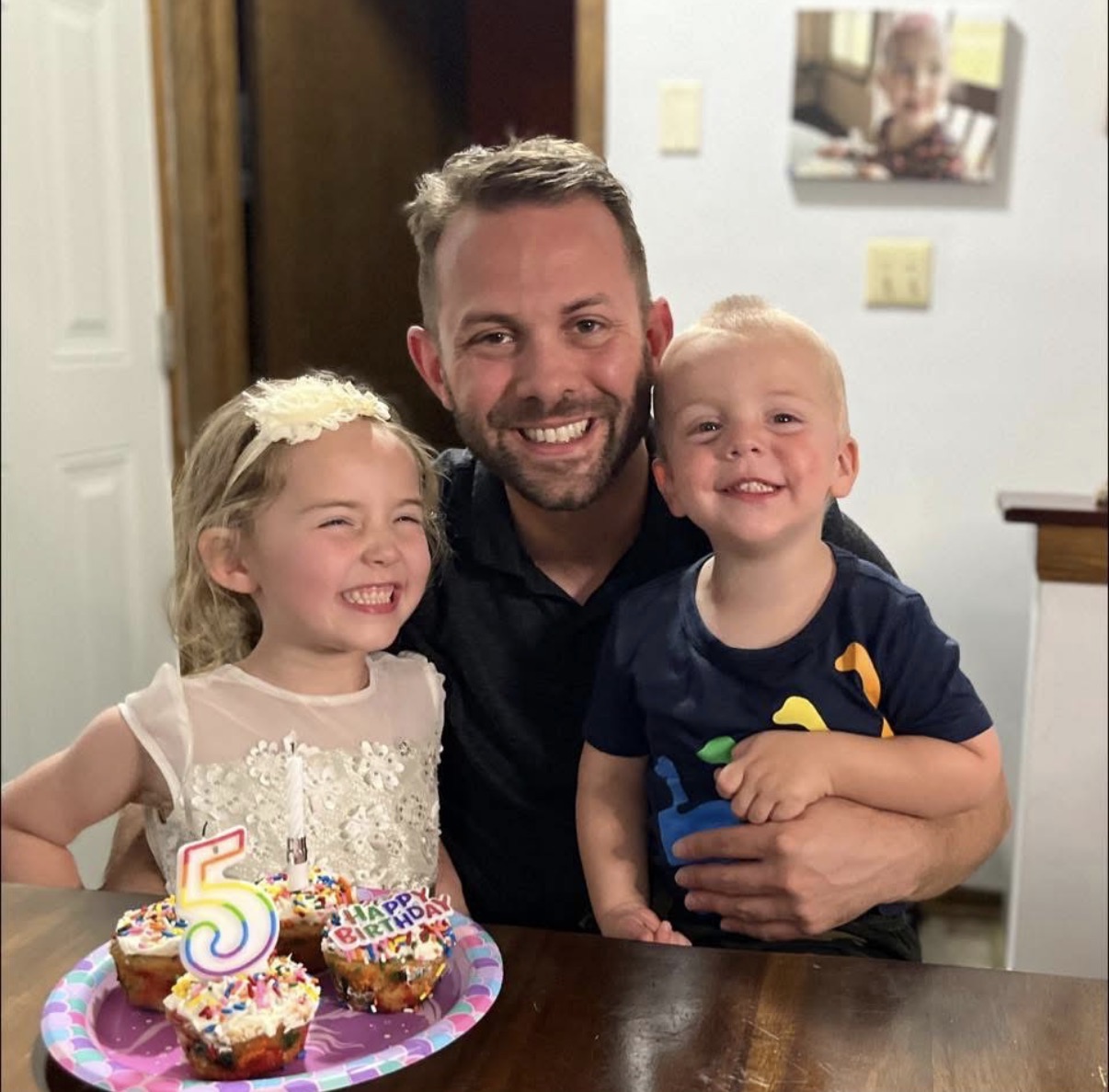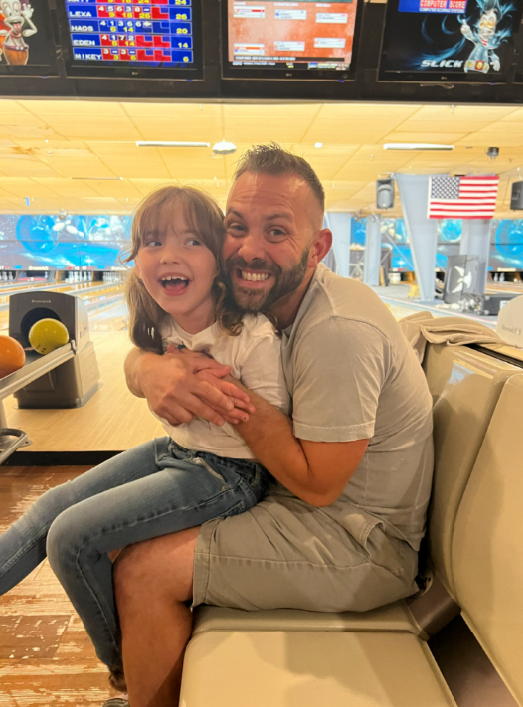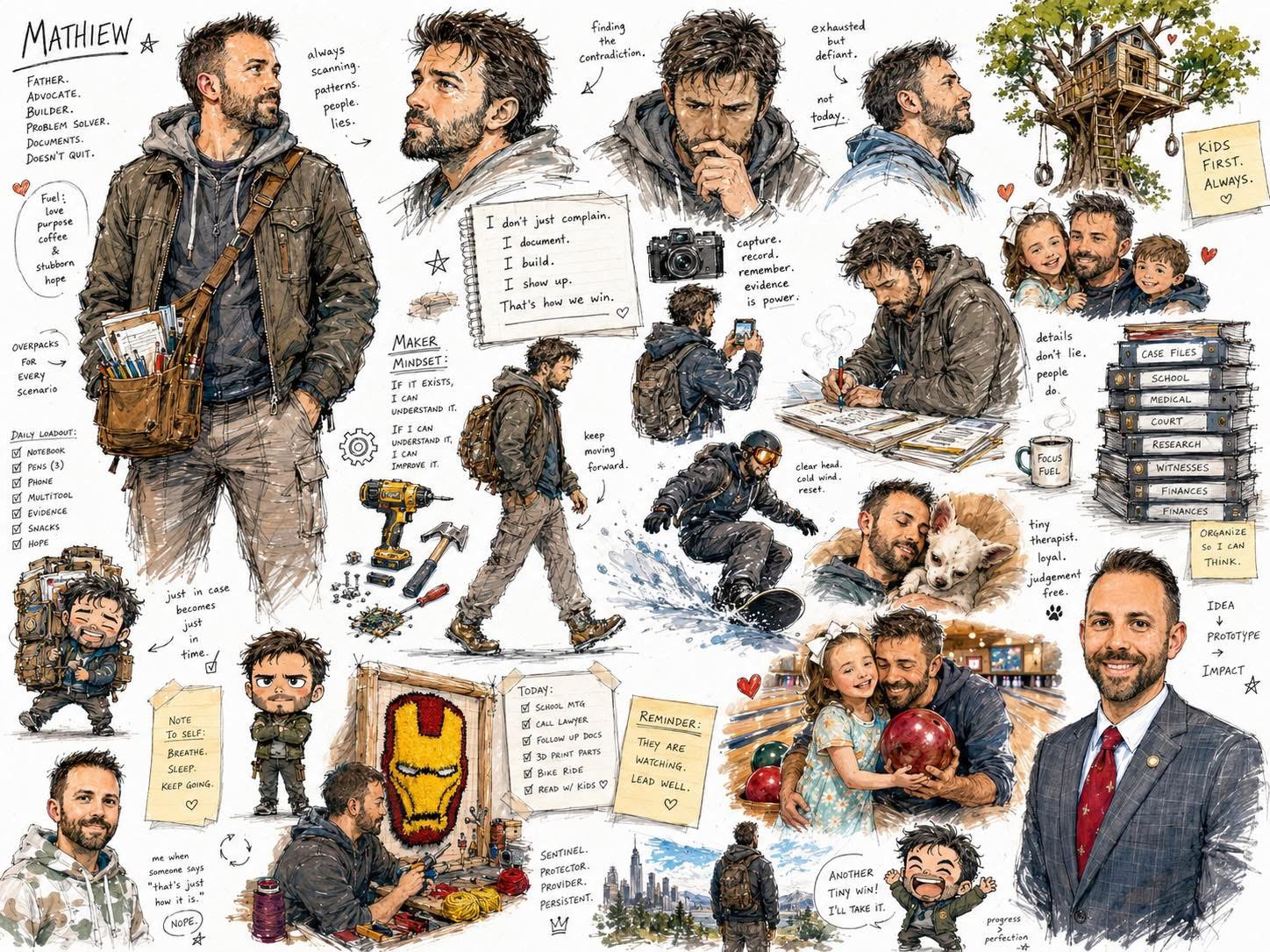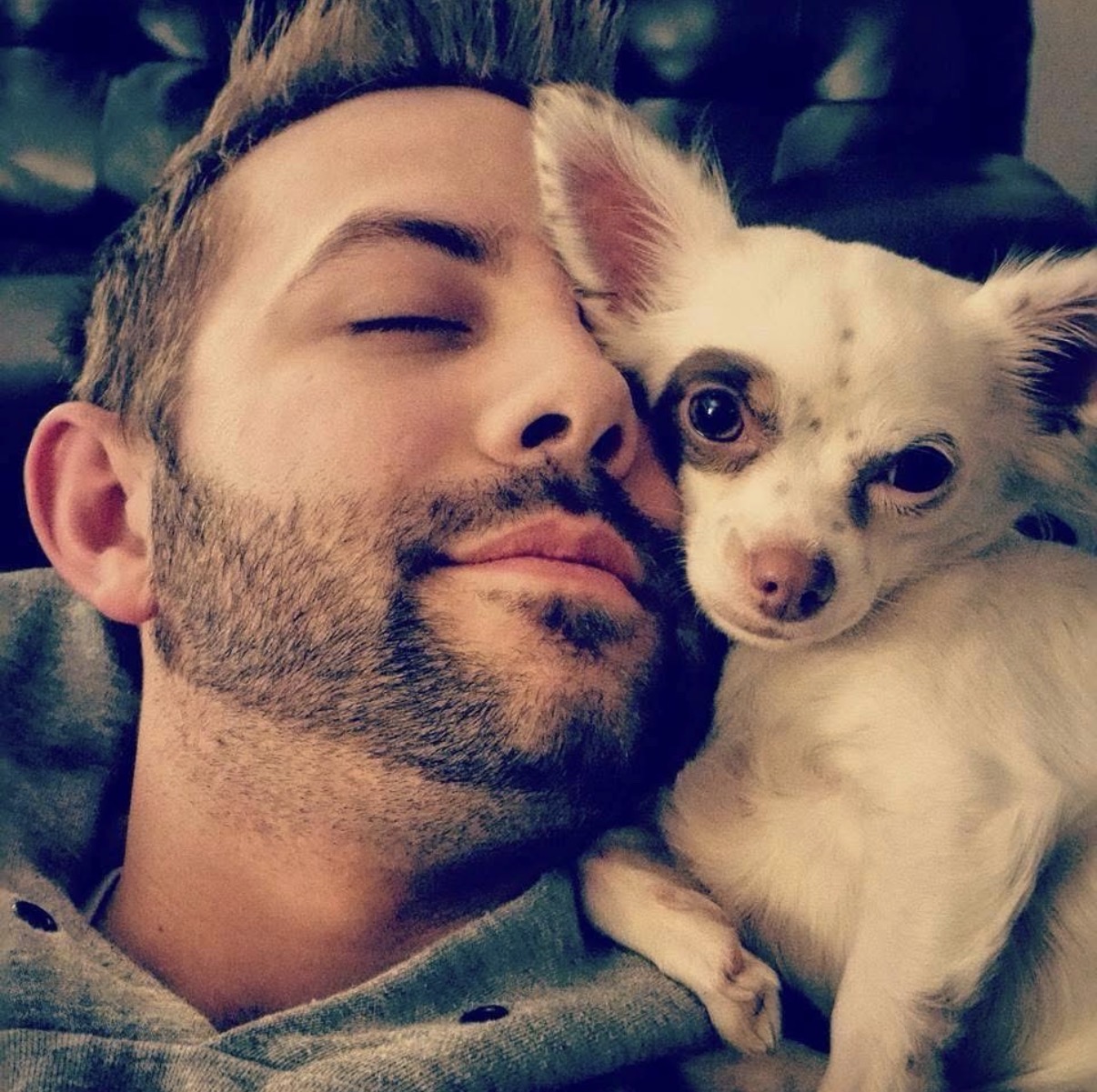

My name is Mathiew Fox. I am a father, a father’s advocate, writer, researcher, and pro se litigant. This is the story behind MathiewFox.com, and the reason I refuse to let a court record become the only account of my life, alongside the vindictive narratives written about me by the Kenosha County Eye and a social worker.
What you are reading throughout the About Me section is still being built. Each subsection is part of an ongoing chronology, and I continue to revise, polish, and expand these entries as the story itself continues to unfold. My intention is eventually to give each significant month its own journal entry, preserving not only what happened, but what I was learning, experiencing, losing, discovering, and fighting for at the time.
In many ways, this website is the rough draft of something much larger. Eventually, these entries, records, reflections, and experiences will become a book that I intend to publish on Amazon. There are many details I have not yet included, and many parts of the story that cannot responsibly be told in full while litigation remains ongoing. The time for those chapters will come.
For now, I am building the record of my life as I lived it, one section at a time, even as you are reading it.
Before the giants had names
I spent a large part of my childhood in Iran, from about four years old until I was twelve. I returned to the United States on July 15, 2001. I graduated from Big Foot High School in 2007, earned my bachelor’s degree from the University of Wisconsin-Stout in 2011, and completed my M.B.A. at Cardinal Stritch University in 2013. I have called Kenosha home since 2012.
I worked, raised my children, took care of my home, and tried to build a stable life. I was not preparing to become a legal researcher or a pro se litigant. I became both because I believed the decisions being made about my family no longer matched the evidence I was seeing.




The start of the rippling effect
My marriage ended in 2021. About eight months after the divorce, I entered a relationship with Hollie White, a social worker who worked with children and court-connected reunification matters. I trusted her experience. She eventually moved into my home and helped care for Eden and Michael while I worked.
That trust broke down. I documented incidents inside the home that placed my family in situations I could no longer accept. Her dog attacked my dog, Zeus. My children were placed in unsafe circumstances, including incidents involving alcohol and nicotine exposure. Eventually, I made the decision to end the relationship and require Hollie to leave my home. When she refused, I told her I would seek legal help and, if necessary, report what had occurred. She moved out and later sought a harassment injunction against me.
That injunction became the beginning of a much larger rippling effect. What started as the end of one relationship began reaching into other parts of my life. I was forced to make decisions I did not want to make. I stopped attending the church I had called home. Personal relationships, professional associations, communications, and ordinary connections from different parts of my life increasingly became subjects of dispute. I watched those associations become arguments against me in later proceedings, including within my continuing family-court case.
The consequences did not remain confined to one courtroom. Later events involving the church, a disputed police report, and an email I forwarded to my therapist led to another legal confrontation. Faced with the possibility of substantially harsher consequences, mounting legal expenses, and the practical limits of continuing to fight every proceeding at once, I accepted a noncriminal citation. I did not experience that decision as vindication of the allegations against me. I experienced it as one of several decisions made under pressure, when the cost of continuing the fight had become part of the pressure itself.
This account is necessarily written from my perspective, but it is not intended to ask the reader to accept my perspective on faith alone. Where I make factual claims, I intend this website to place them beside the underlying record: documents, communications, photographs, reports, transcripts, recordings, and court filings. The point is not simply to tell my version of what happened. It is to show the evidence from which I reached it.
The turning point
The family case became the turning point. Allegations were made against me, and Commissioner Elizabeth Pfeiffer was presiding over my case. She was the commissioner who made the decision to strip me of my children, along with the guardian ad litem, whose investigation I did not believe was thorough and who, from my perspective, latched onto Sarah’s narrative without meaningfully testing the evidence against it.
My attorney at the time, Heather Nelson, saw the sequence of events unfolding. It increasingly appeared that the process was moving beyond her control and that the direction of the case had already been set. Judge Heather Iverson was already becoming part of that path, and the decisions affecting my relationship with Eden and Michael began to feel predetermined before I had any meaningful opportunity to challenge the foundation beneath them.
Only later, in 2026, after I began putting the pieces together, did I understand the scope of what had been happening around me. Hollie White was not simply a former partner. She had worked within the social-work and reunification world connected to children and court-involved families. Pathways Consulting and Professional Services Group became part of the same ecosystem surrounding my case. The original intake process for therapy also led back to individuals directly connected to Hollie White.
As I reconstructed the record, I discovered a tremendous amount of ex parte communication and overlapping involvement connecting Commissioner Pfeiffer, Judge Heather Iverson, Hollie White, Pathways Consulting, Professional Services Group, and individuals involved in the therapy and intake process. What I had originally experienced as separate events began to look like one connected system.
That placed me in an impossible position. I was restricted from contacting Hollie White, but the same professional environment connected to her employment was also becoming involved in services affecting my children and my access to them. Pathways Consulting and Professional Services Group were no longer distant organizations. They were part of the structure surrounding my family case while my ability to communicate with people inside that structure was constrained.
My attorney warned the court about that conflict. During the hearings, Heather Nelson specifically objected to the use of a provider because of those concerns. Judge Heather Iverson responded that the court did not share the concern and expressed confidence that the professionals involved would uphold their ethical obligations.
What happened afterward changed how I viewed that statement. The conflicts I had been warning about were no longer theoretical. The relationships, communications, and overlapping roles became visible in the record.
That was the turning point. I stopped seeing the events as isolated. I started seeing the connections.
Strayed and abandoned
After my attorney, Heather Nelson, withdrew, I felt crushed beyond anything I could have imagined. I had just been stripped of my children, and it was one of the most soul-crushing things I had ever experienced as a father. I went from seeing Eden and Michael roughly four times a week to seeing them for only one or two supervised hours each week. After sharing 50/50 placement for nearly four years, the change was devastating. No father should have to experience that kind of separation from his children without an extraordinary justification.
I immediately began searching for another attorney. That search led me to Mary Losey. She filed for a de novo hearing, which was supposed to give me a new hearing on the temporary orders, with the issues considered again rather than simply carrying forward what Commissioner Pfeiffer had already decided.
But when I appeared before Judge Heather Iverson, something immediately felt different from the fresh hearing I had expected. From the way she spoke about the allegations and the events that had already occurred, it was apparent to me that she already knew significant details about the case. The transcripts would later become important to me because they documented what was said and revealed how much of the earlier narrative had already entered the courtroom before I ever had the opportunity to rebuild the case from the beginning.
Judge Iverson quickly focused on the allegations against me even though CPS had not substantiated them. The guardian ad litem had also previously expressed doubts about whether I had lied or manipulated evidence. I had documentation that directly addressed and disproved the original allegations, yet I watched evidence I considered critical receive little or no meaningful consideration while the allegations themselves continued to drive the case.
As the hearings continued throughout 2025, Judge Iverson made clear that she intended to remain on the case even though a judicial rotation had occurred. What had begun as temporary orders in November 2024 was becoming something much more permanent in practice. Trial was eventually set for February 2026. That meant the separation created by a temporary decision would stretch for well over a year before I could reach a full trial.
During that same period, Commissioner Pfeiffer imposed a child-support amount that far exceeded the income I was actually projected to earn. I would later begin researching the Title IV-D child-support system, its financial incentives, performance measurements, and the recognition Commissioner Pfeiffer received in connection with that system. To me, that became another piece of a much larger picture I had not understood when the case began. The person who had removed my children from my care had also imposed a financial obligation that I believed did not reflect my actual circumstances, while I was simultaneously trying to pay attorneys, supervision costs, medical expenses, and everything else required just to remain present in my children’s lives.
The longer the case continued, the harder the separation became. Anxiety, pain, frustration, and helplessness accumulated month after month. I could not simply sit still and wait until February 2026 while my relationship with Eden and Michael continued to shrink around me.
So I began researching.
I searched for every avenue I could find to understand what was happening: Wisconsin law, courtroom procedure, judicial authority, appellate procedure, evidence preservation, complaints against public officials, professional ethics, and the mechanisms available for reporting misconduct. I tried repeatedly to communicate with the guardian ad litem because I believed information critical to my children and to my relationship with them was being ignored. When those efforts went unanswered, I researched further.
At first, I was simply trying to understand enough of the system to survive inside it. Over time, that research changed me. I began reading statutes instead of summaries. I began studying transcripts instead of relying on what I remembered happening in the courtroom. I began preserving communications, comparing statements against documents, and tracing relationships between the people and organizations appearing throughout my case.
All of it continued building toward another turning point: Mary Losey’s withdrawal.
Court Trial — September 29 and 30
The stepping stone
By the time I finished filing my briefs in 2025AP2229 and 2025AP2492, I felt something I had not felt in a long time: accomplishment.
I was confident in what I had written. I had spent countless hours learning how to construct an appellate argument, organize a record, apply precedent, and translate years of events into something a reviewing court could actually understand. When those briefs were finally filed, I was exploding with excitement at the thought that appellate judges would actually read them.
I came from a business background. I was not a lawyer. I had never gone to law school. Yet somehow I had taught myself enough to stand inside an appellate system that once seemed completely inaccessible to me. I felt invigorated by what I had accomplished.
But the fuel behind all of it was never the litigation itself.
It was Eden and Michael.
The final order left me with approximately one to two hours of supervised time with my own children, dependent upon arrangements involving my former wife and a third-party facility that I had to pay simply to see my own flesh and blood. I am deliberately not discussing the underlying allegations in detail here. There are parts of this history that remain intertwined with ongoing litigation in the Seventh Circuit Court of Appeals and with Supreme Court review still ahead. I will tell that part of the story when the time is right.
What I can say is that I do not believe the allegations remotely justified the severity of the final result.
After the sense of accomplishment came another reality.
The appellate relief I sought was denied.
Presiding Judge Lisa Neubauer denied the relief I was pursuing through those appellate proceedings, and after investing everything I had into learning the process and presenting the record, I found myself denied again and again. The emotional swing was enormous. I had gone from feeling that I had finally learned how to speak the language of the courts to realizing that knowing the language did not guarantee anyone would accept what I was saying.
Meanwhile, the litigation in the circuit court continued.
Commissioner Alexandra Smathers became involved after the final order. From my perspective, I began watching the same narrative that had developed before Judge Heather Iverson carry forward into the postjudgment proceedings. Commissioner Smathers repeatedly emphasized that her role was to enforce the existing orders. But from where I stood, enforcement meant that the consequences of those orders continued while the underlying problems I was raising remained unresolved.
At the same time, my access to Eden and Michael continued to narrow.
There were repeated obstacles to seeing them. I was frustrated by the extent to which their mother could control whether the limited placement I had actually occurred. I will not use this website to attack her personally. I will say this: a parent should never use access to children as leverage against the other parent.
Something else then happened in the chronology.
After I filed what became my final appeal in 2025AP2492, a criminal case followed. I have my own opinions about the timing and circumstances surrounding that development, but I am not going to lay out that theory here while related litigation remains active.
What I will say is that I believe the individual allegations underlying that prosecution can be disproved with evidence.
At the same time, I was fighting for access to my children’s records. I was being denied access to medical and therapeutic information while also being largely excluded from their therapeutic lives. I had extremely limited contact with the children themselves, limited access to the providers involved with them, and continued resistance when I attempted to obtain records that I believed were essential to understanding what was happening.
Every direction seemed to contain another barrier.
Eventually, my frustration pushed me somewhere I had never imagined going.
Federal court.
Federal litigation was an entirely different world.
In circuit court, much of my fight had centered on what happened, what evidence existed, what orders had been entered, and whether those decisions were justified. Federal court required something fundamentally different. I could not simply walk into a federal courthouse and ask another judge to redo what a state court had already done.
I had to understand jurisdiction.
I had to understand Rooker-Feldman.
I had to understand judicial immunity.
I had to understand the difference between challenging a state-court judgment and challenging independent constitutional conduct.
I had to understand familial-association claims, procedural due process, judicial acts and nonjudicial acts, pleading standards, federal jurisdiction, abstention doctrines, and the enormous wall of precedent designed to determine when a federal court may intervene and when it may not.
The learning curve I thought I had conquered suddenly became vertical again.
So I went back to work.
I read federal cases. Then I read the cases cited inside those cases. I studied § 1983. I studied immunity. I studied jurisdiction. I studied how federal complaints were structured and why seemingly powerful factual allegations could still fail if they were placed inside the wrong legal theory.
I learned that federal litigation was not about simply proving that something terrible had happened. It was about identifying precisely who acted, what they did, under what authority, which constitutional right was implicated, why jurisdiction existed, and what relief a federal court actually had the power to provide.
Eventually, I drafted two federal complaints asserting claims under 42 U.S.C. § 1983, including claims involving a judicial officer and a court commissioner.
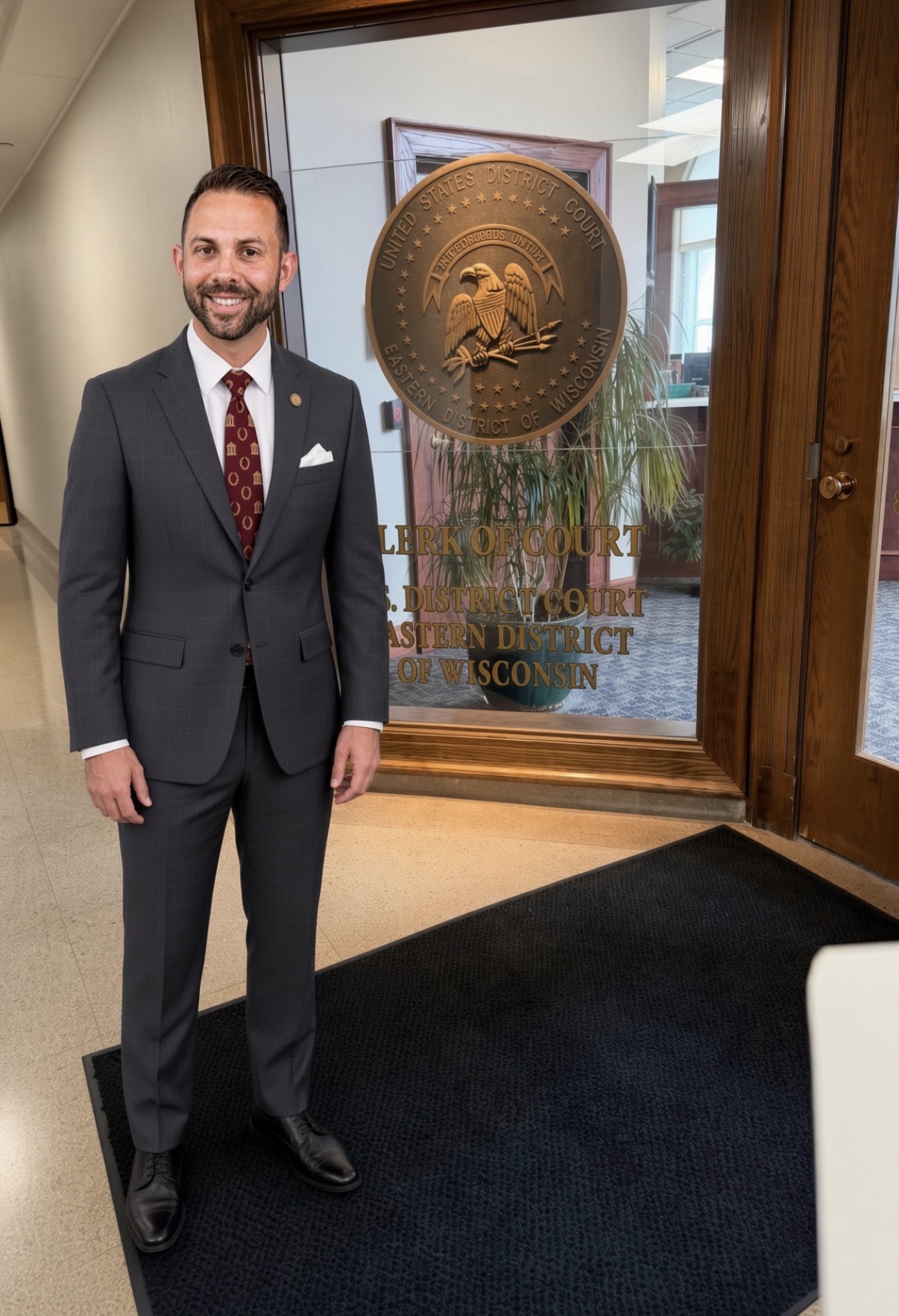
That was when the federal courthouse stopped being an address printed at the top of a pleading.
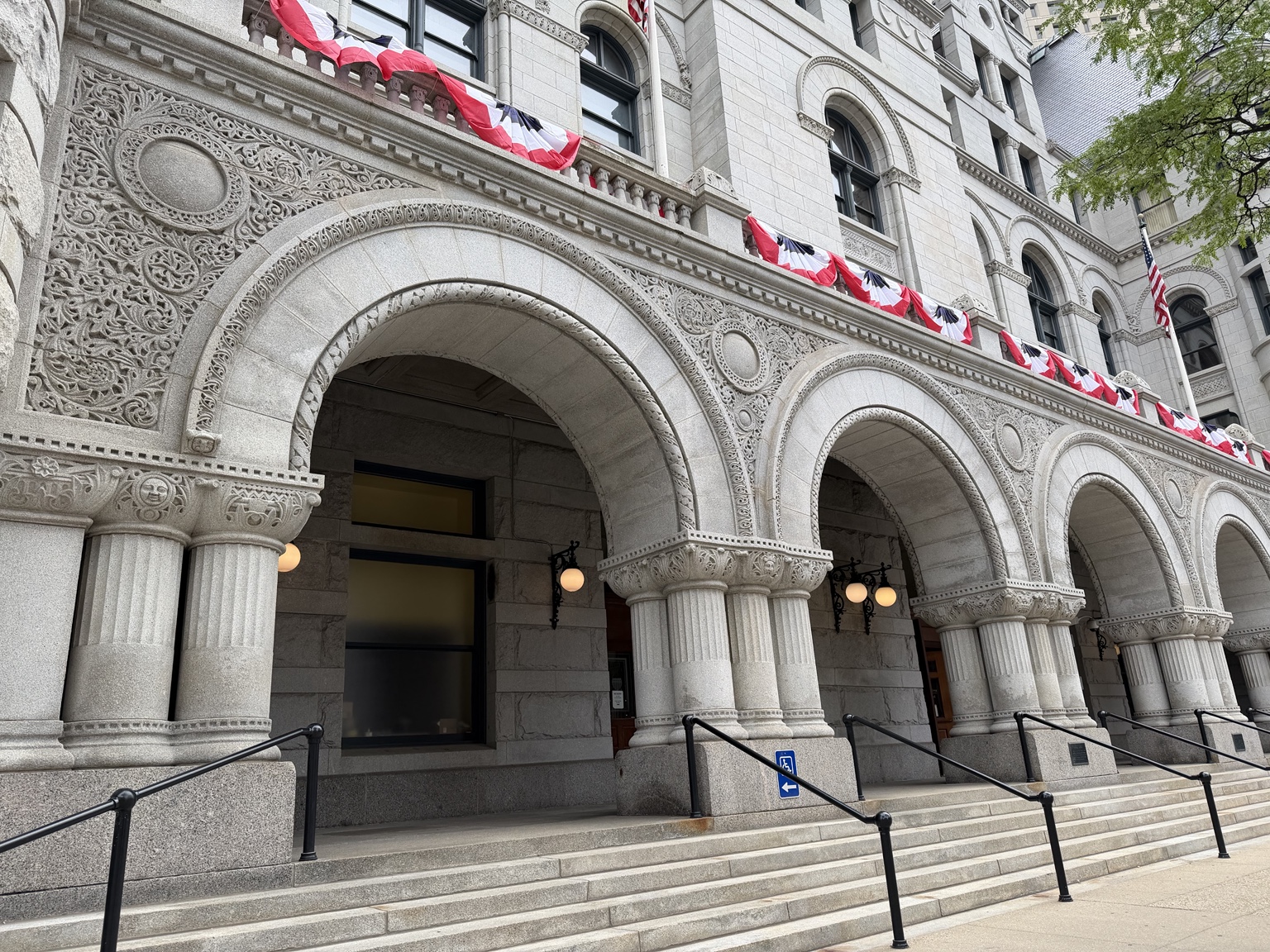
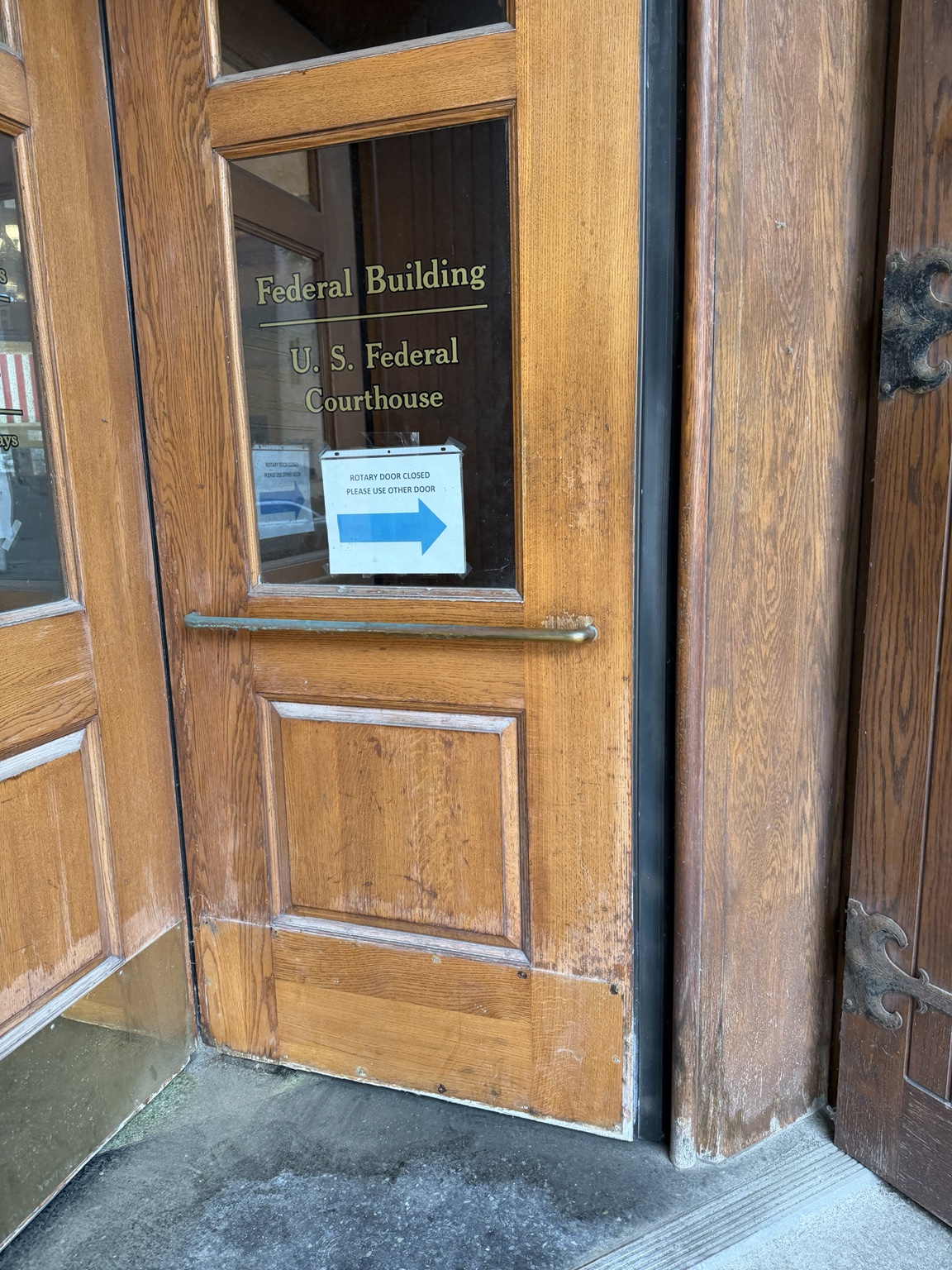
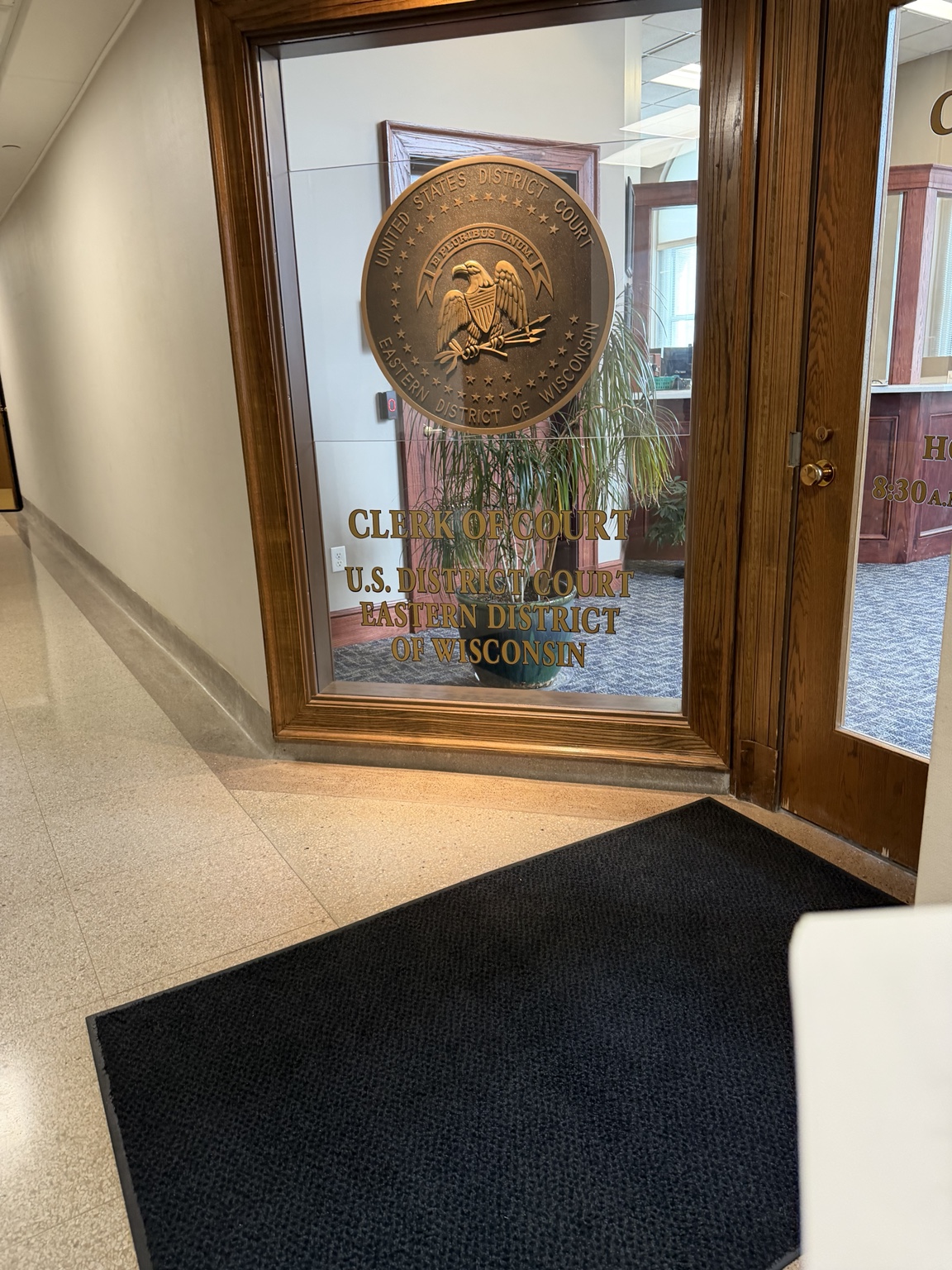
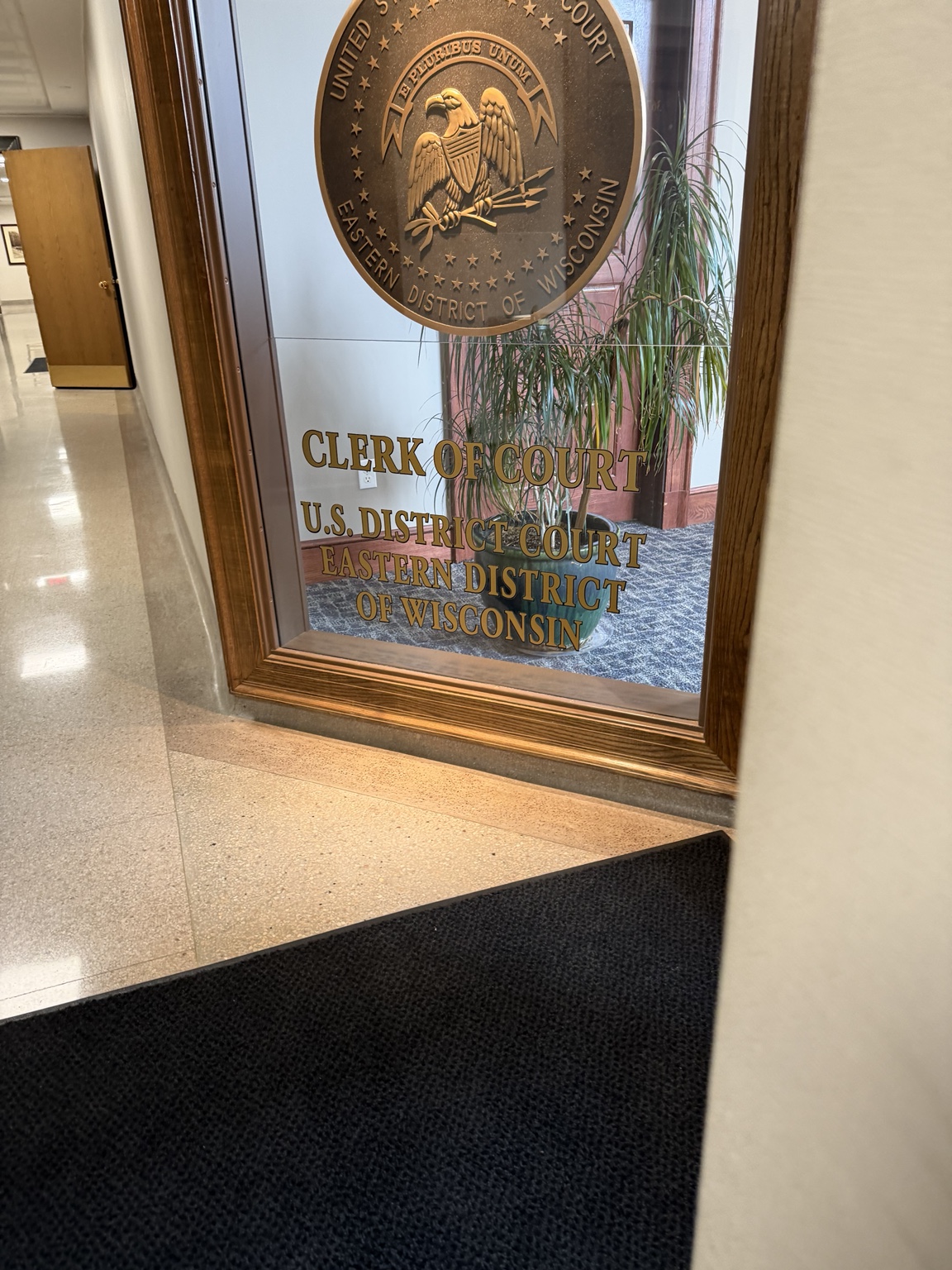
I walked through its doors.
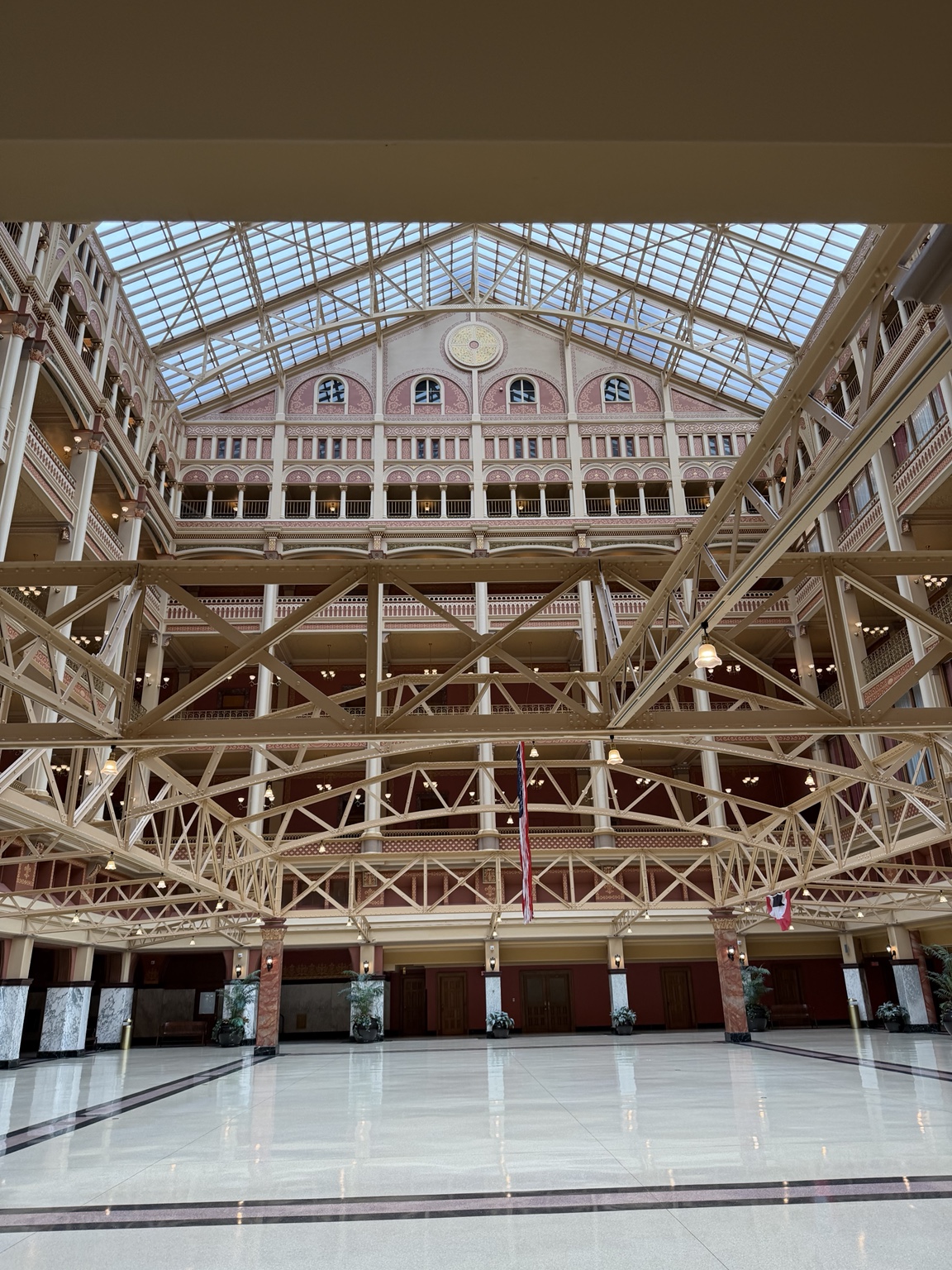
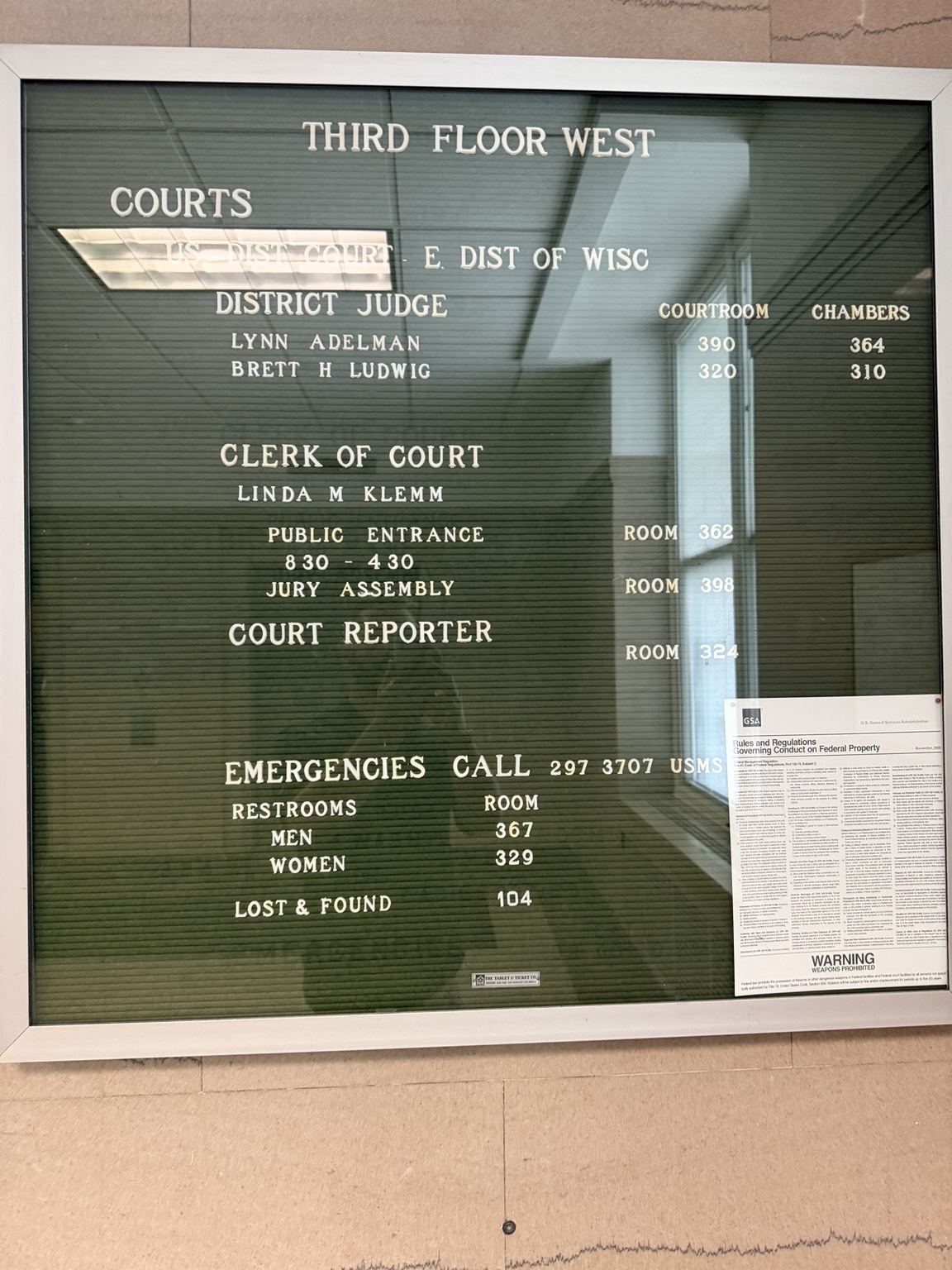
I stood inside the United States District Court for the Eastern District of Wisconsin and looked around at a place that, only months earlier, would have seemed impossibly far outside my world.
What stayed with me was not simply the building.
It was the distance between the man who had entered this process barely understanding what a statute was and the man who was now standing inside a federal courthouse litigating constitutional claims he had taught himself how to research and plead.
I had not become a lawyer.
I had become something else.
A father who had learned to run because crawling was no longer fast enough to reach his children.
Why I keep the light on
I have made mistakes. I have also learned that persistence can be described as hostility when the person persisting is unpopular, exhausted, or representing himself. The giants in this story are not simply individual people. They are systems large enough to mistake repetition for truth, procedure for fairness, and a closed file for a resolved injustice.
I know what I lived. I know what I lost. I also know that asking difficult questions does not make a father dangerous, and refusing to disappear does not make him dishonest. If public power separates a parent from his children, it should be able to explain—precisely and openly—why.
This website exists because a docket can show what was filed without showing what it cost to live through it. Here, I place the chronology beside the documents, say where I believe the system failed, and preserve the part no order can carry: the human cost.
I am not fighting because I enjoy litigation. I am fighting because I love my children. A system may treat absence as an administrative result. A child experiences it as an empty chair, a missed holiday, a voice no longer heard at bedtime. I will not let that absence harden into a false history, and I will not let silence become the only version of their father Eden and Michael are given.
The giants may be larger than I am. They are not larger than the reason I stand.