A threshold crossed for Eden and Michael.
By the time I finished filing my briefs in 2025AP2229 and 2025AP2492, I felt something I had not felt in a long time: accomplishment.
I was confident in what I had written. I had spent countless hours learning how to construct an appellate argument, organize a record, apply precedent, and translate years of events into something a reviewing court could actually understand. When those briefs were finally filed, I was exploding with excitement at the thought that appellate judges would actually read them.
I came from a business background. I was not a lawyer. I had never gone to law school. Yet somehow I had taught myself enough to stand inside an appellate system that once seemed completely inaccessible to me. I felt invigorated by what I had accomplished.
But the fuel behind all of it was never the litigation itself.
It was Eden and Michael.
The final order left me with approximately one to two hours of supervised time with my own children, dependent upon arrangements involving my former wife and a third-party facility that I had to pay simply to see my own flesh and blood. I am deliberately not discussing the underlying allegations in detail here. There are parts of this history that remain intertwined with ongoing litigation in the Seventh Circuit Court of Appeals and with Supreme Court review still ahead. I will tell that part of the story when the time is right.
What I can say is that I do not believe the allegations remotely justified the severity of the final result.
After the sense of accomplishment came another reality.
The appellate relief I sought was denied.
Presiding Judge Lisa Neubauer denied the relief I was pursuing through those appellate proceedings, and after investing everything I had into learning the process and presenting the record, I found myself denied again and again. The emotional swing was enormous. I had gone from feeling that I had finally learned how to speak the language of the courts to realizing that knowing the language did not guarantee anyone would accept what I was saying.
Meanwhile, the litigation in the circuit court continued.
Commissioner Alexandra Smathers became involved after the final order. From my perspective, I began watching the same narrative that had developed before Judge Heather Iverson carry forward into the postjudgment proceedings. Commissioner Smathers repeatedly emphasized that her role was to enforce the existing orders. But from where I stood, enforcement meant that the consequences of those orders continued while the underlying problems I was raising remained unresolved.
At the same time, my access to Eden and Michael continued to narrow.
There were repeated obstacles to seeing them. I was frustrated by the extent to which their mother could control whether the limited placement I had actually occurred. I will not use this website to attack her personally. I will say this: a parent should never use access to children as leverage against the other parent.
Something else then happened in the chronology.
After I filed what became my final appeal in 2025AP2492, a criminal case followed. I have my own opinions about the timing and circumstances surrounding that development, but I am not going to lay out that theory here while related litigation remains active.
What I will say is that I believe the individual allegations underlying that prosecution can be disproved with evidence.
At the same time, I was fighting for access to my children’s records. I was being denied access to medical and therapeutic information while also being largely excluded from their therapeutic lives. I had extremely limited contact with the children themselves, limited access to the providers involved with them, and continued resistance when I attempted to obtain records that I believed were essential to understanding what was happening.
Every direction seemed to contain another barrier.
Eventually, my frustration pushed me somewhere I had never imagined going.
Federal court.
Federal litigation was an entirely different world.
In circuit court, much of my fight had centered on what happened, what evidence existed, what orders had been entered, and whether those decisions were justified. Federal court required something fundamentally different. I could not simply walk into a federal courthouse and ask another judge to redo what a state court had already done.
I had to understand jurisdiction.
I had to understand Rooker-Feldman.
I had to understand judicial immunity.
I had to understand the difference between challenging a state-court judgment and challenging independent constitutional conduct.
I had to understand familial-association claims, procedural due process, judicial acts and nonjudicial acts, pleading standards, federal jurisdiction, abstention doctrines, and the enormous wall of precedent designed to determine when a federal court may intervene and when it may not.
The learning curve I thought I had conquered suddenly became vertical again.
So I went back to work.
I read federal cases. Then I read the cases cited inside those cases. I studied § 1983. I studied immunity. I studied jurisdiction. I studied how federal complaints were structured and why seemingly powerful factual allegations could still fail if they were placed inside the wrong legal theory.
I learned that federal litigation was not about simply proving that something terrible had happened. It was about identifying precisely who acted, what they did, under what authority, which constitutional right was implicated, why jurisdiction existed, and what relief a federal court actually had the power to provide.
Eventually, I drafted two federal complaints asserting claims under 42 U.S.C. § 1983, including claims involving a judicial officer and a court commissioner.
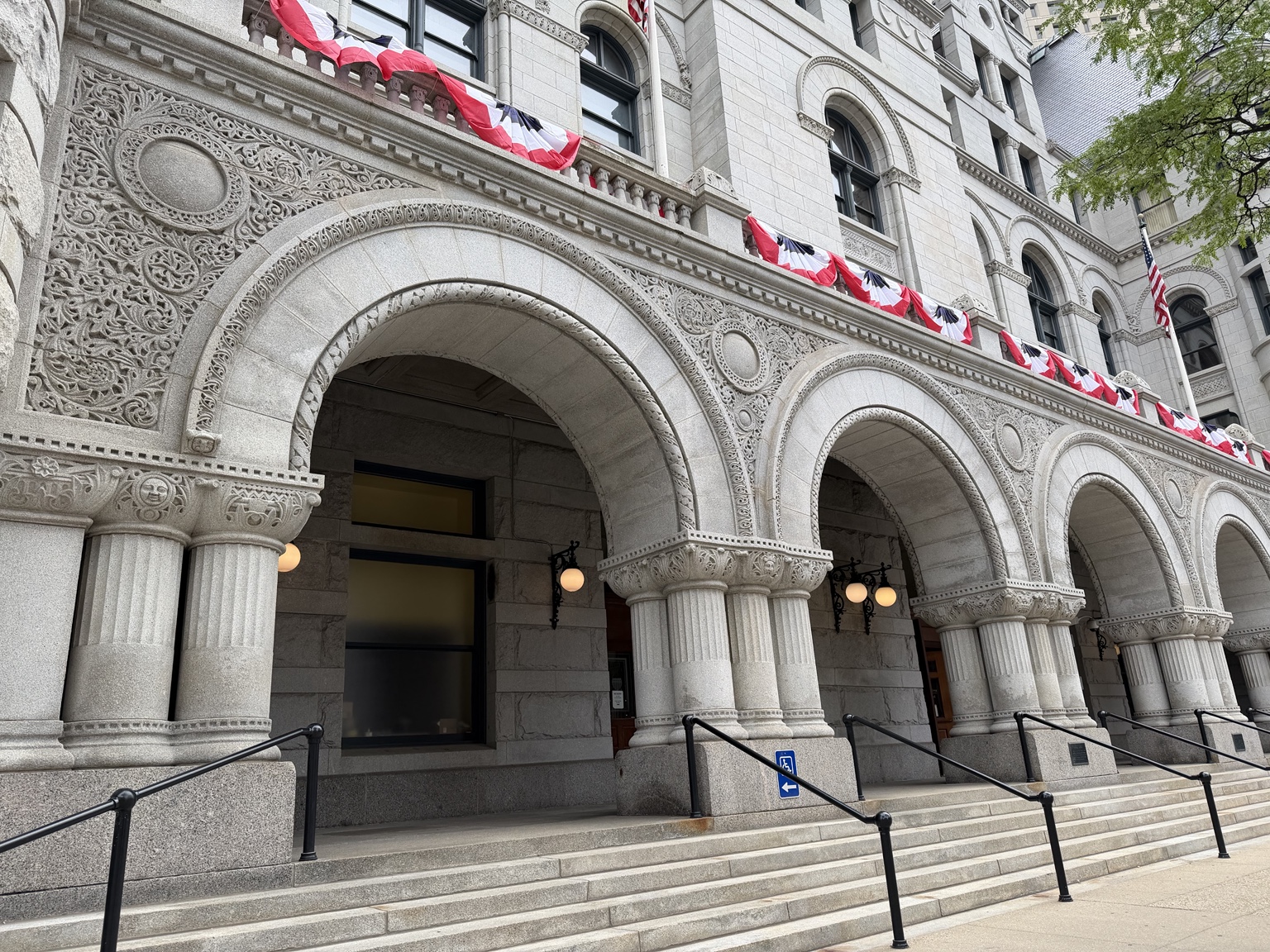
That was when the federal courthouse stopped being an address printed at the top of a pleading.
I walked through its doors.
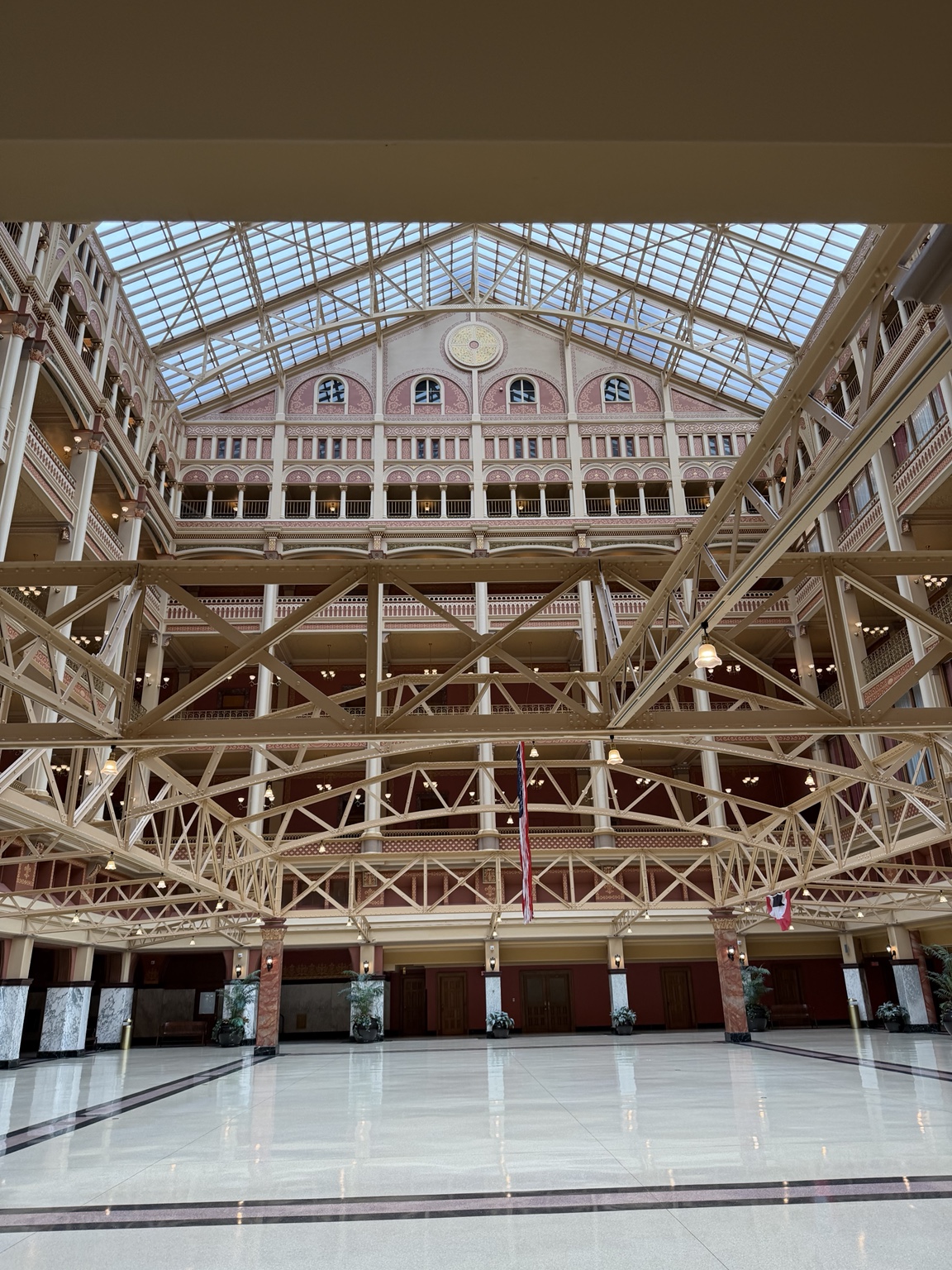
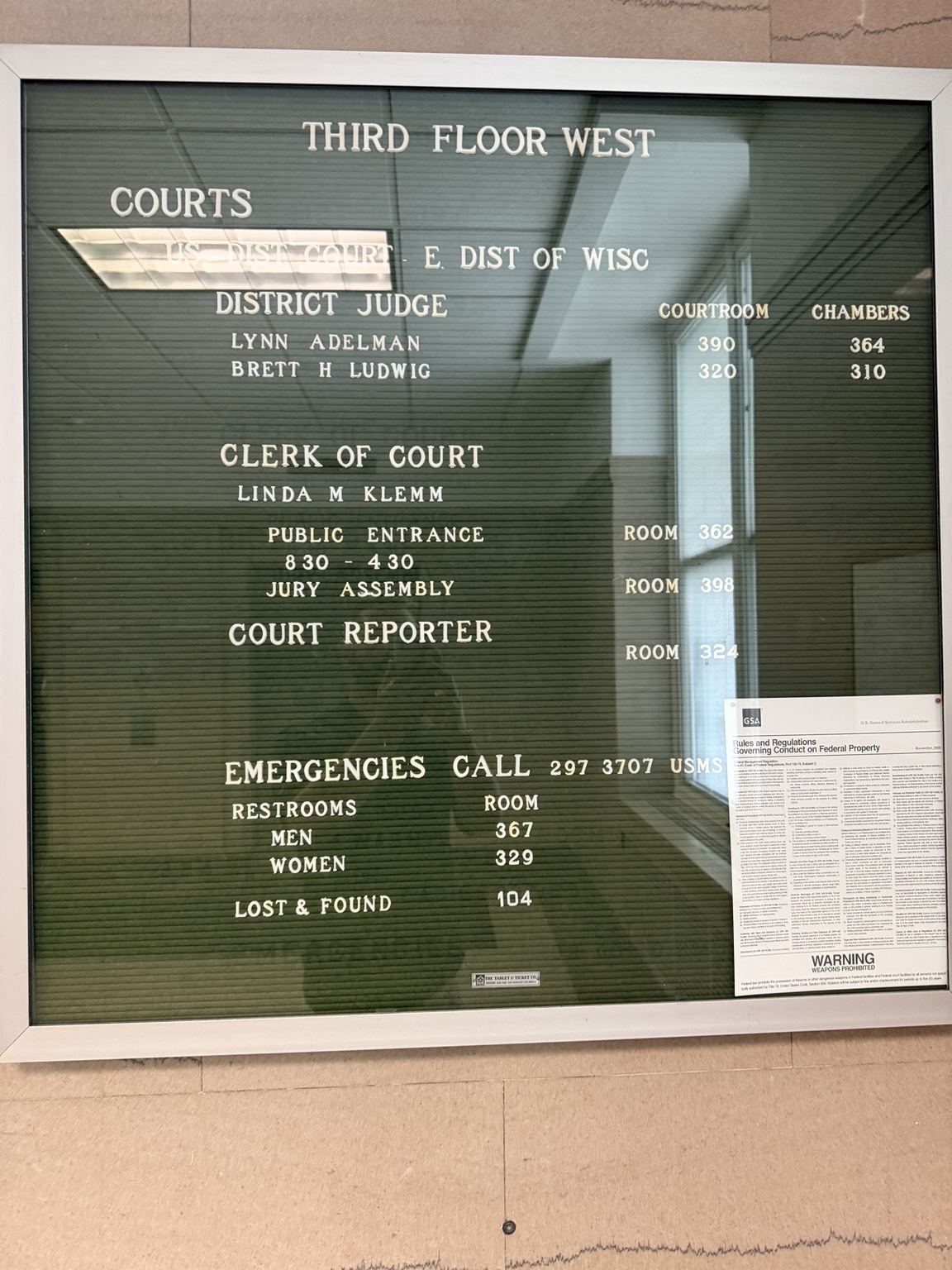
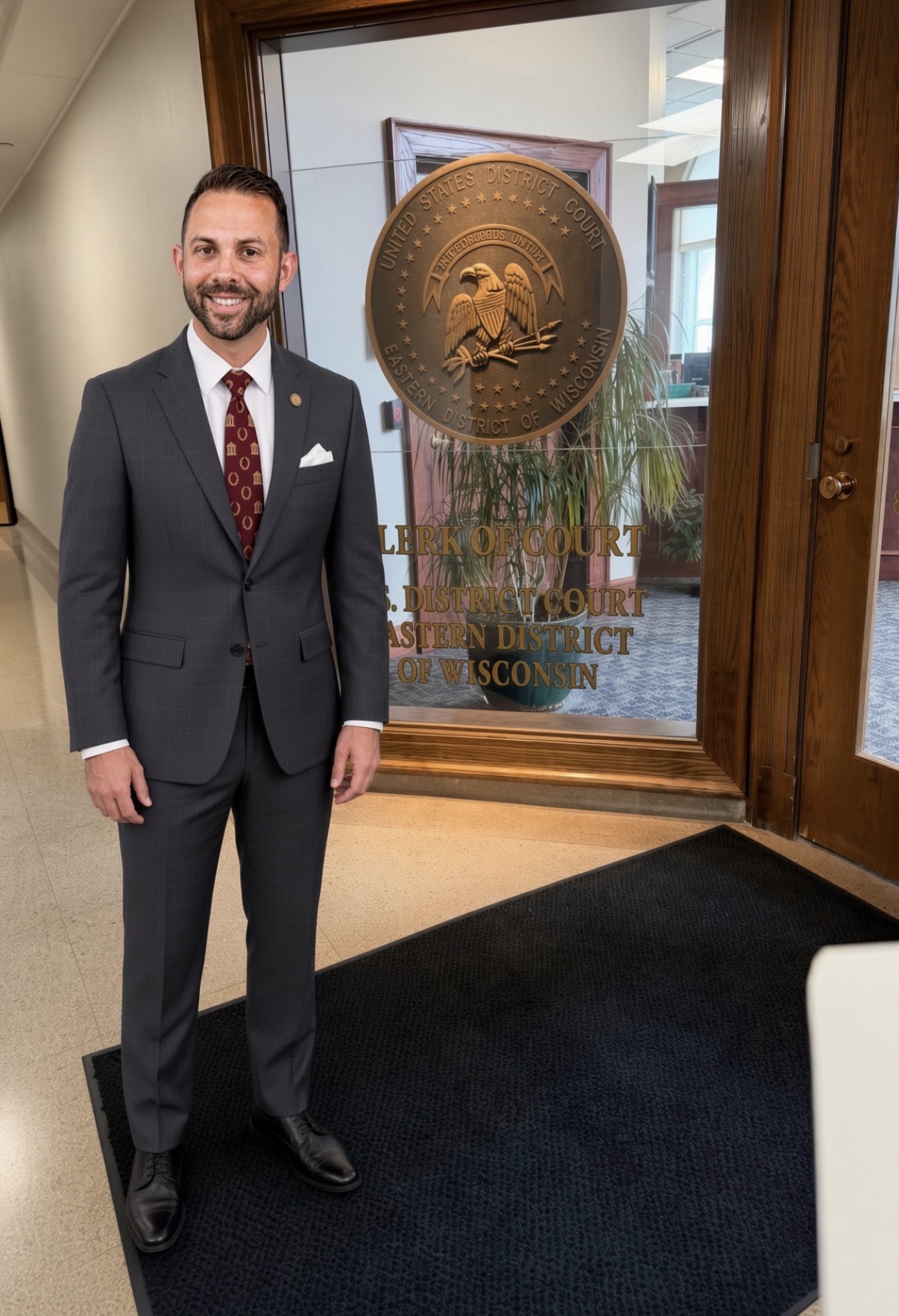
I stood inside the United States District Court for the Eastern District of Wisconsin and looked around at a place that, only months earlier, would have seemed impossibly far outside my world.
What stayed with me was not simply the building.
It was the distance between the man who had entered this process barely understanding what a statute was and the man who was now standing inside a federal courthouse litigating constitutional claims he had taught himself how to research and plead.
I had not become a lawyer.
I had become something else.
A father who had learned to run because crawling was no longer fast enough to reach his children.