

Sometimes the pilgrimage itself is part of the answer.
There is an old lesson about stone: it does not yield because it is struck once.
It yields because something returns to the same place, again and again, carrying no guarantee except the conviction that the next strike still matters.
For a long time, I have understood what it means to stand beneath structures larger than yourself, to speak into rooms where your voice seems impossibly small, and to walk away carrying answers heavier than the questions that brought you there.
There were seasons when every door appeared to lead to another door, every staircase to another staircase, and every mile forward somehow demanded another ten.
Yet the strange thing about endurance is that while everyone watches the mountain, almost no one notices the person climbing it changing.
The weight that was supposed to crush him teaches him how to carry weight.
The silence that was supposed to discourage him teaches him how to listen.
And the walls that were supposed to convince him there was nowhere left to go eventually teach him where the entrances are.
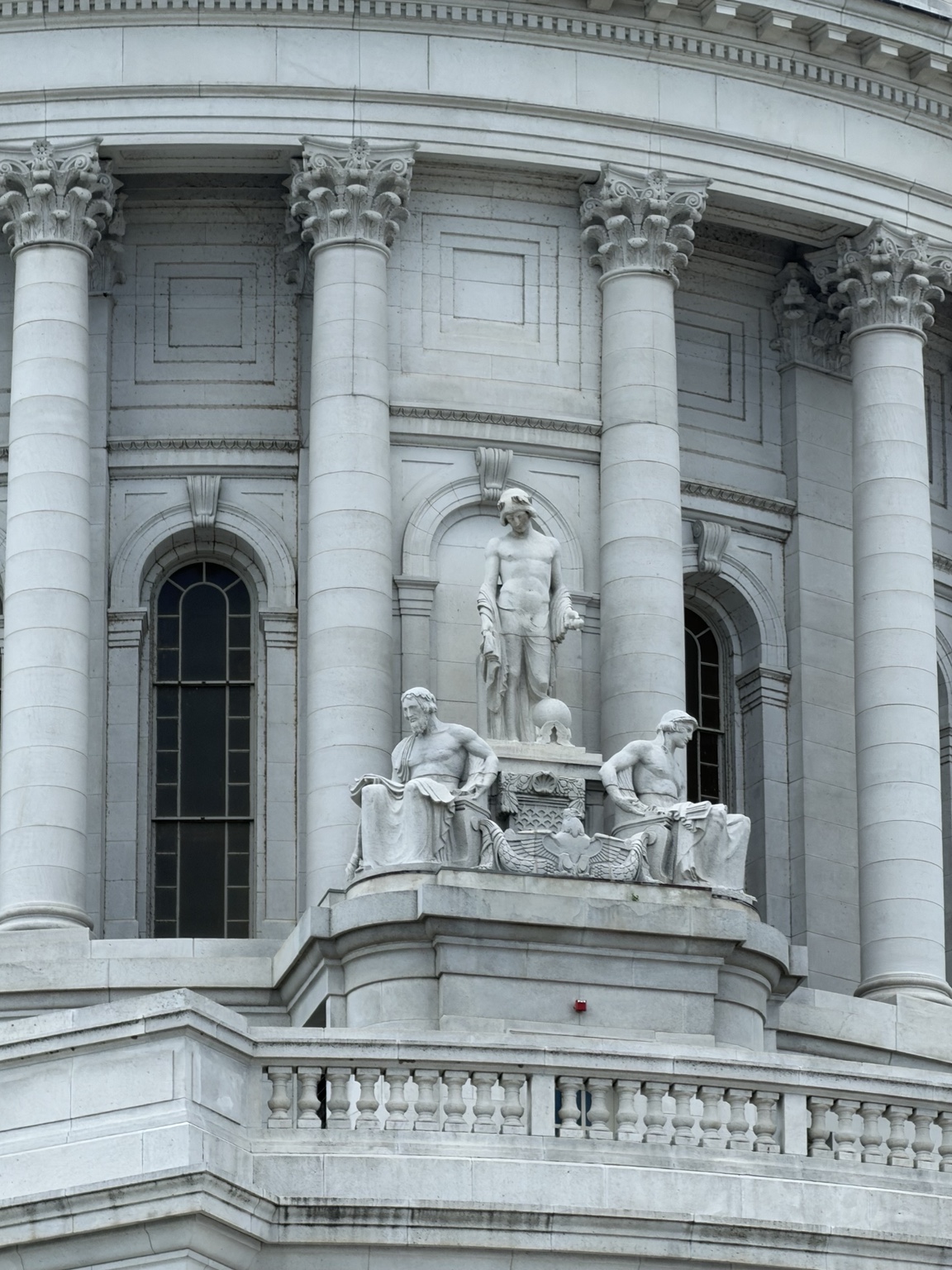
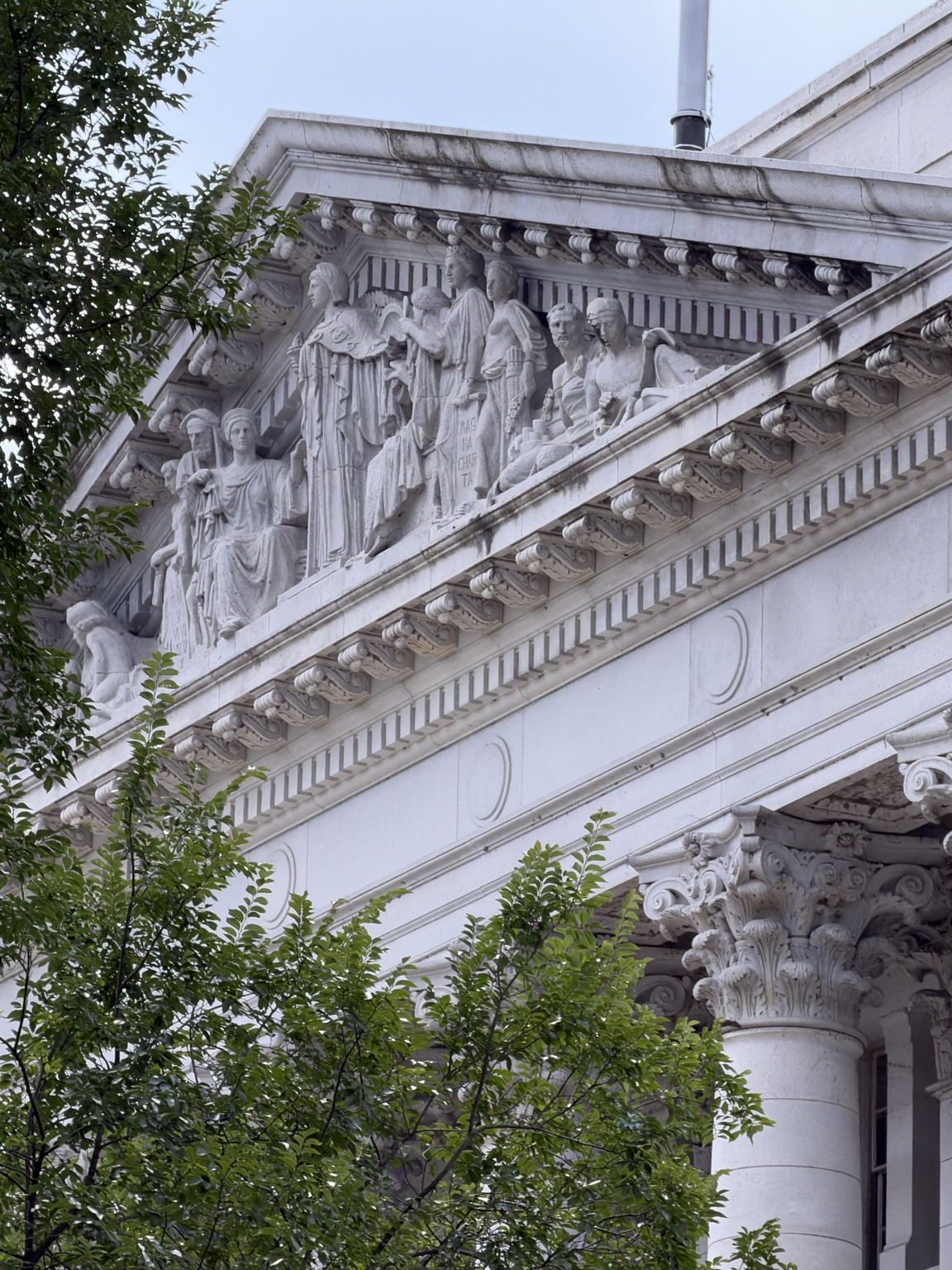
Today I stood beneath a dome built to represent something far older and greater than any single person who temporarily occupies an office beneath it.
I looked at figures carved into stone, columns intended to outlive generations, and words chosen by people who understood that law is supposed to be larger than personalities, larger than disagreements, and larger than the moment.
Somewhere along that walk, something became very clear to me: sometimes the pilgrimage itself is part of the answer.
You spend years staring at institutions from a distance, imagining them as immovable fortresses, only to one day find yourself walking through their doors, standing in their corridors, and realizing that even the largest machinery of government is still operated one decision, one page, one signature, one human judgment at a time.
And occasionally, without trumpets or applause, a gear turns.
A door that seemed permanently fixed moves a fraction of an inch.
To everyone else it may look like nothing.
To the person who has spent years pushing against it, that sound is unmistakable.
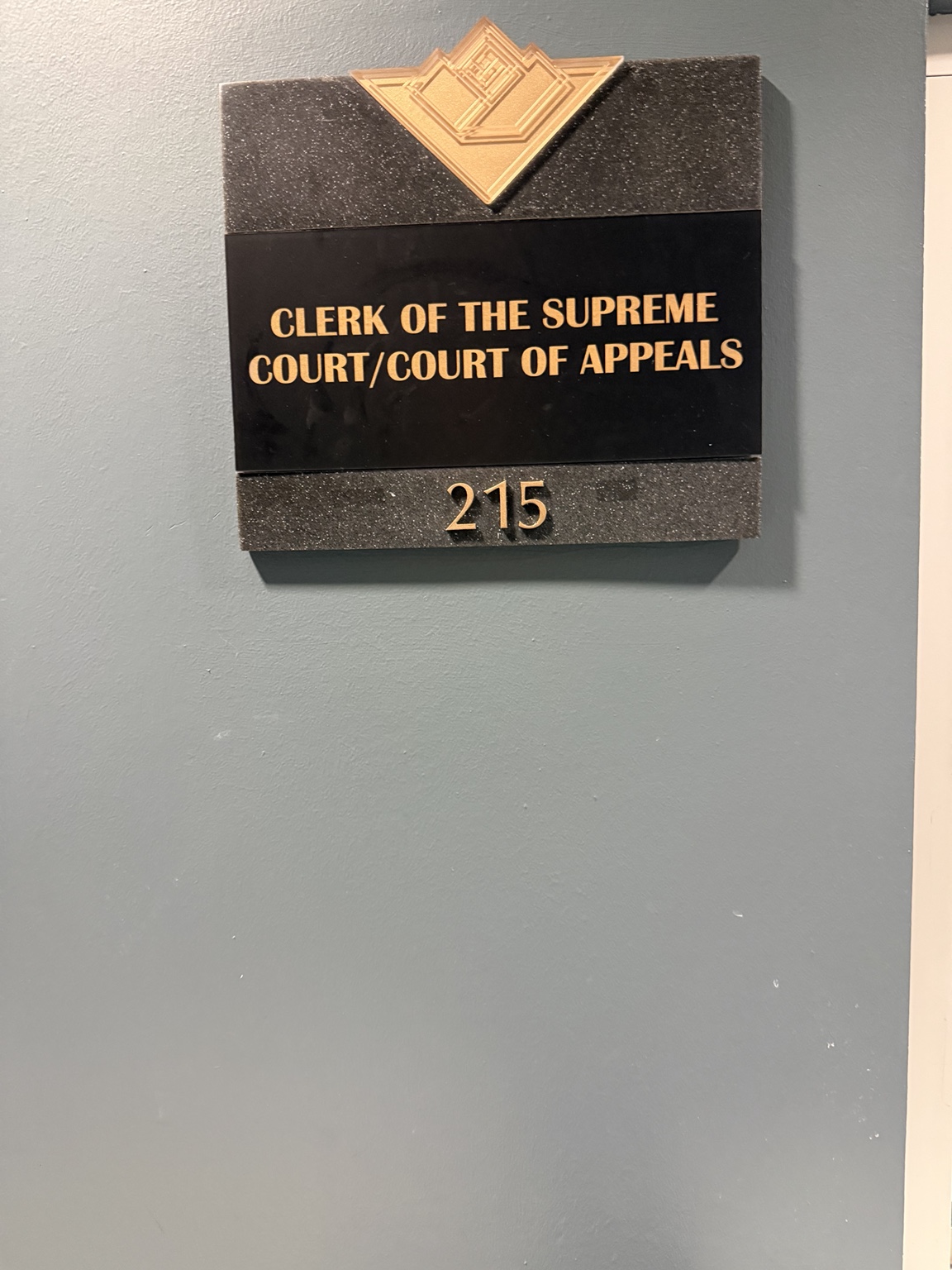

So I did not leave today thinking the journey was over.
Quite the opposite.
I left understanding why the road had demanded so much of me.
There are victories that arrive wearing medals, and there are others that arrive almost silently, disguised as confirmation that persistence was not madness, that asking difficult questions was not pointless, and that even stone institutions are capable of movement.
Maybe that is the lesson hidden in all of this: a man does not have to conquer the mountain to prove the mountain could not conquer him.
Sometimes he simply has to reach a height from which he can finally look back at everything he survived and realize that the person who began the climb would scarcely recognize the one now standing beneath the dome.
And then he turns around, faces whatever road remains, and keeps walking.
And then he turns around, faces whatever road remains, and keeps walking.